Blog # 4

“Leadership is not about being in charge. It is about taking care of those in your charge.” – Simon Sinek
I have learned that Leadership is not about titles or being in charge, it is about serving others, guiding them, and helping them grow. In my role as a College, Career, and Military Readiness (CCMR) Coordinator, I have had the chance to see leadership in action every day. From supporting teachers with career guidance lessons to helping students explore their next steps after graduation, leadership is woven into every decision I make. Over time, I have discovered that the most effective leaders are those who put people first, listen deeply, and are willing to grow alongside their team (Greenleaf, 1977).
Learning From Experience
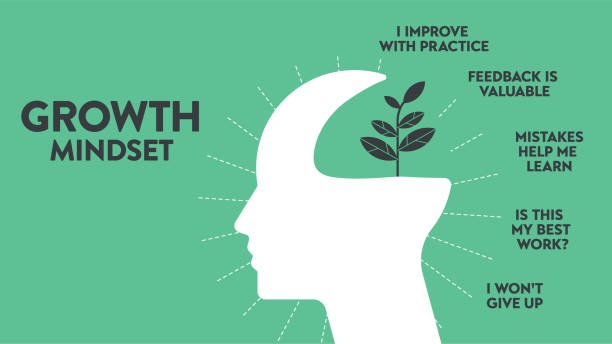
One of the biggest lessons I have learned is that leadership requires a growth mindset. Challenges are inevitable, whether it is students struggling with college applications, teachers navigating new tools, or limited resources for programming, However these challenges are also opportunities. A growth mindset allows me to approach each situation with curiosity instead of frustration. It means asking, “What can I learn from this?” or “How can we do this better together?” instead of immediately seeking a quick fix. I’ve found that when I model this mindset, it encourages teachers and students to adopt it as well, fostering a culture where learning and improvement are celebrated rather than feared (Spears, 2010).

My Leadership Style: Servant Leadership
The style that resonates most with me is Servant Leadership. At its core, servant leadership is about putting the needs of others first, helping them grow, and creating an environment where people feel supported and empowered (Spears, 2010). In my work, this might look like helping a teacher figure out a new career exploration platform, coaching a student through scholarship applications, or simply listening to concerns and finding solutions together. I want to lead in a way that creates trust and encourages collaboration.
At the same time, I see value in Democratic Leadership, especially when making decisions that affect multiple stakeholders. For example, when considering new tools or processes for the CCMR program, I involve teachers, counselors, and even students in the conversation. This ensures that decisions are practical, inclusive, and grounded in the real needs of the school community (Northouse, 2021). By blending servant and democratic leadership, I can serve others while promoting shared ownership of decisions.
Applying Leadership to Technology
Technology is an essential part of my role as a CCMR Coordinator. Platforms for career exploration, college applications, and data tracking help me guide students more effectively, but their success depends on leadership. My approach is to use technology as a tool to support people, not overwhelm them. I provide training for teachers, create digital spaces to share resources, and hold open discussions where staff can ask questions and provide feedback. This way, technology becomes a bridge, not a barrier, and aligns with the servant leadership principle of empowering others (Kotter, 1996).
For example, when rolling out a new platform for tracking student progress, I involve teachers from the start, ask for their input, and make sure everyone feels comfortable using it before expanding school-wide. By fostering collaboration and offering guidance along the way, teachers feel supported rather than pressured, and students benefit from a smoother, more organized system. Technology, when combined with servant leadership, becomes a way to enhance learning and engagement rather than just a procedural requirement.
The Importance of Communication
Open communication is another key part of my leadership philosophy. I try to keep two-way channels open with teachers, students, and administrators. Regular check-ins, collaborative meetings, and feedback sessions ensure that people feel heard, valued, and involved in decision-making (Greenleaf, 1977). Leadership is not about telling people what to do, it is about creating a space where ideas, concerns, and successes can be shared freely. When people feel included and supported, they are more willing to embrace change and take risks, which is essential in any school environment.
Looking Ahead
The kind of leader I hope to be is someone who models a growth mindset, serves others first, and fosters collaboration at every level. I want teachers and students to feel supported, empowered, and inspired to take ownership of their growth. By intentionally blending servant and democratic leadership principles and thoughtfully integrating technology, I hope to create an environment where learning and innovation thrive. Leadership is a journey, and I see each challenge as an opportunity to grow, not just for myself, but for the people I serve.
Leadership is not about having all the answers it is about asking the right questions, listening, and helping others succeed. It’s about creating an environment where growth is expected, mistakes are learning opportunities, and every person feels valued. By embracing this mindset, I can continue to help my school community navigate challenges, explore opportunities, and prepare students for success in college, careers, and beyond.
References
- Greenleaf, R. K. (1977). Servant leadership: A journey into the nature of legitimate power and greatness. Paulist Press.
- Spears, L. C. (2010). Character and servant leadership: Ten characteristics of effective, caring leaders. The Journal of Virtues & Leadership, 1(1), 25–30.
- Kotter, J. P. (1996). Leading change. Harvard Business Review Press.
- Northouse, P. G. (2021). Leadership: Theory and practice (9th ed.). Sage Publications.